
Whoa!
I clicked around a Solana NFT drop last month and felt that tiny jolt — you know, the one that makes you look twice. My first impression was skepticism; browser wallets had always felt clunky to me. Then something shifted when a seamless transaction finished in under a second, and I could see the NFT in my collection without refreshing. That contrast stuck with me for days, like a small, bright note you can’t quite shake.
Seriously?
I admit I’m biased; I’ve been fiddling with crypto wallets since the early days and I’m picky about UX. Initially I thought browser extensions were just quick access points, but then I realized they shape how people discover NFTs, how trust forms, and how safe assets actually stay. On one hand they make onboarding smooth and accessible, though actually that ease introduces new responsibility for users and developers alike. My instinct said « trust but verify, » and that gut feeling led me to test workflows deeply, from account creation to signing complex transactions.
Wow!
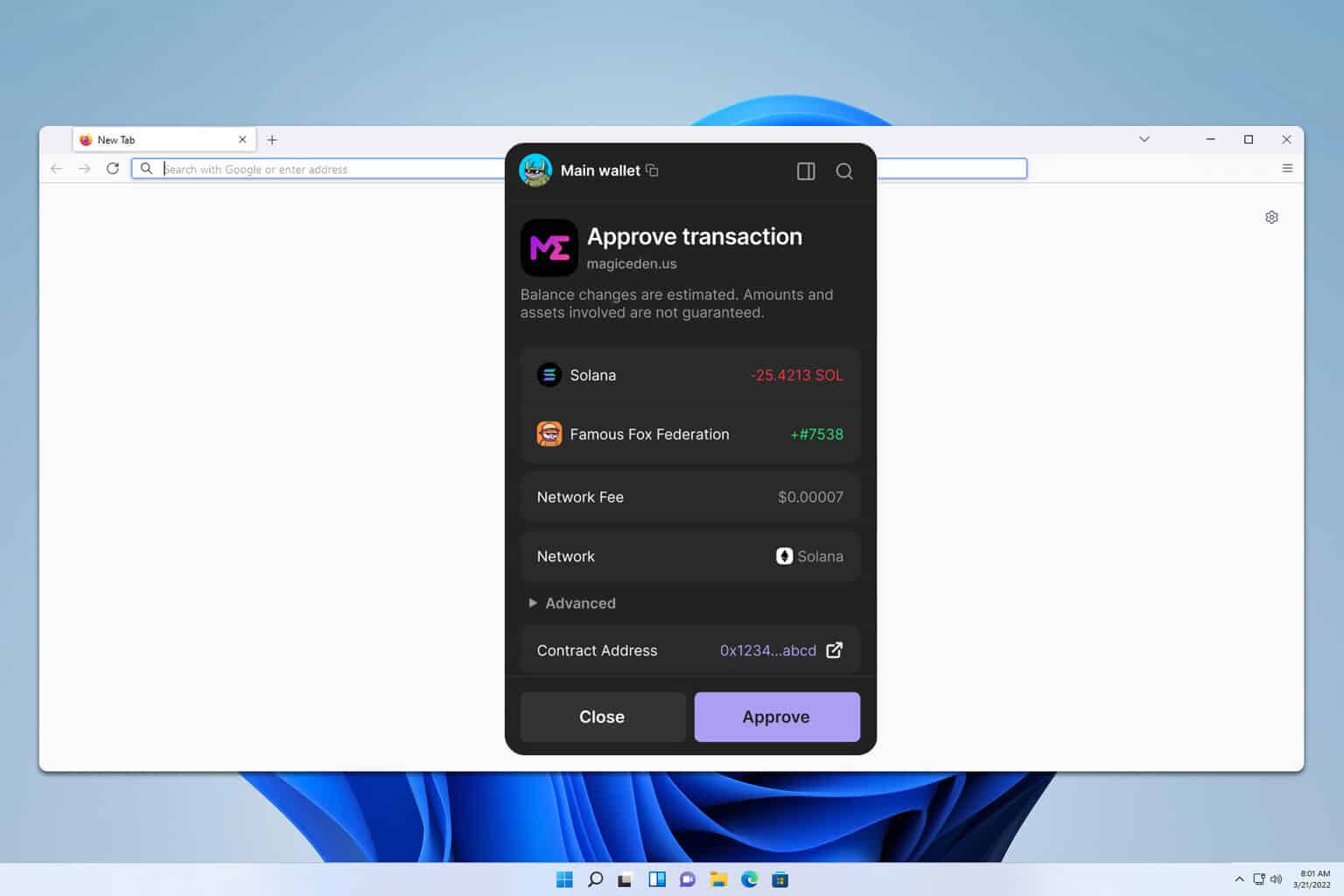
Here’s the thing. A good Solana wallet extension is more than a key manager. It becomes the user’s daily gateway to marketplaces, games, and social tokens, so small UX choices ripple into big behavioral differences. For example, a clear transaction modal reduces accidental approvals, while a confusing gas estimate can scare new users away. I found myself noting which apps asked for too many permissions and which ones offered contextual warnings, and honestly it was educational — and alarming at times.
Hmm…
Let me walk you through the practical stuff I care about. Security first: seed phrases are still the weak link, not the extension code most of the time. If you store a seed in a sticky note, you’re asking for trouble; hardware-signing or secure enclave storage is far safer, though not perfect. (Oh, and by the way, hardware wallets sometimes feel clumsy when signing in a browser — a little pain, but worth it for high-value assets.)
Really?
Speed matters. Solana’s low latency is a feature only when the wallet and dApp are optimized together. When they’re not, micro-delays compound — clicks pile up and users get nervous. I watched one friend abandon an auction because the confirmation lag looked like a failed transaction, and that loss was avoidable. That kind of friction is a UX epidemic in crypto.
Whoa!
So how do you choose a wallet extension that actually helps you, rather than confuses you? Look for a few practical signals: clear permission prompts, easy account management, and transparent signing details. A tidy transaction history helps when you need to audit what you did last week. Also, check for active development — frequent updates usually mean bugs are being fixed and security issues are patched quickly.
Here’s the thing.
I’ve been using a few wallets in the Solana space, and one tool kept popping up in conversations and dev docs. When people recommended it, they didn’t just talk about the interface; they mentioned developer support and ecosystem integrations, which matters a lot if you like exploring new NFT marketplaces or play-to-earn games. If you want a fast path to that ecosystem, this is the kind of extension you try first: phantom wallet. It’ll get you into the flow quickly, but don’t skip the security checklist below.
Practical security checklist (what I actually do)
Wow!
Back up your seed phrase offline and in multiple secure places — not just one. Use a hardware wallet for significant balances and high-value NFTs; it’s the extra step that saved me when I nearly clicked a malicious prompt. Enable any additional authentications the extension offers, and audit dApp permissions periodically. I’m not 100% sure on every edge case, but in my tests this approach prevented the majority of common mishaps.
Here’s what bugs me about permission screens sometimes.
They’re too vague, or they hide the actual authority behind a friendly sentence, and that ambiguity leads to accidental approvals. On one occasion I saw an app request transfer rights for all tokens — a red flag that I flagged immediately and then closed the tab. A clear « allow only this transaction » option would have prevented that. Developers, please: show exactly what you’re asking for.
Hmm…
For NFT collectors there’s an additional layer: metadata and provenance. A wallet that surfaces token metadata, on-chain history, and linked marketplace listings saves a lot of detective work. It helps you verify authenticity before you buy. I once bought an art piece that had been misattributed by a marketplace; the wallet’s linked history helped me spot the mismatch and get a refund.
Okay, practical tips for newcomers.
Start small. Don’t import large wallets until you’re comfortable with the extension flow. Test with a tiny amount of SOL for fees and try the « send to self » and « mint test NFT » flows on a sandbox or low-cost collection. Watch the signing pop-ups closely — they tell you what you’re really permitting. And remember, browser extensions can be compromised by the underlying browser; keep everything up to date and avoid shady extensions in the same profile.
FAQ — quick answers from things I actually tried
Is a browser extension secure enough for NFTs?
Short answer: yes, for everyday use if you apply basic hygiene: keep seeds offline, use strong device security, and use hardware wallets for high-value items. Long answer: risk varies by behavior — phishing, malicious dApps, and insecure local machines are bigger threats than the extension itself, so treat the extension as one piece of your security posture.
Can I use a hardware wallet with a Solana browser extension?
Absolutely. Most mature Solana extensions support hardware signing via USB or Bluetooth. It adds a step, but because your private keys never leave the device, it’s worth the friction for larger collections or significant SOL holdings.
What should I look for in transaction prompts?
Check recipient addresses, amounts, and the specific token IDs for NFTs. If a prompt asks to « approve all » for a collection, pause — allow-per-transaction is safer. Also, look for any unusual instructions in the raw data; experienced users often catch oddities before they sign.
Leave a Reply